
Early Detection
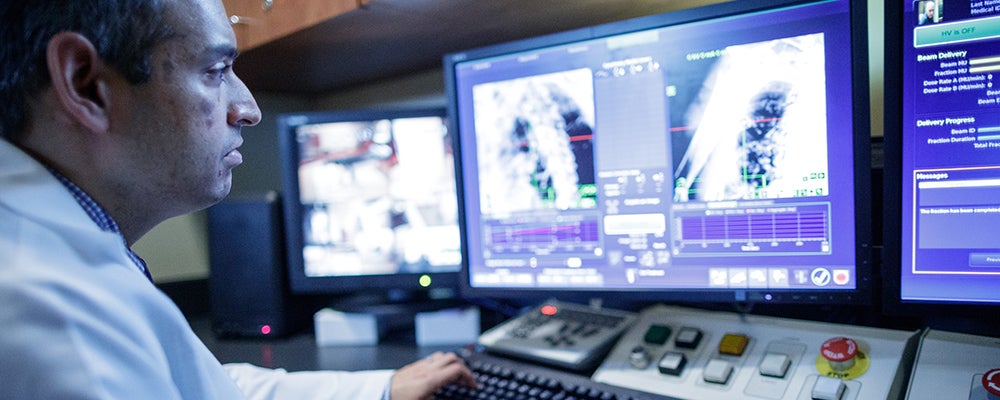
At its early stages, lung cancer generally has no symptoms. That's why it's important for people at risk for lung cancer to have annual lung screenings. They can help detect lung cancer early, when it's highly treatable.
Computerized Tomography (CT or CAT scan) is the technology that's used for lung cancer screenings. The low dose CT scan takes less than 6 seconds, is painless and involves a minimal amount of radiation exposure. There are no specific medications or restrictions required, and you can eat before and after the test. The only thing you'll be asked to do is hold your breath for about six seconds. As part of Mount Carmel's Lung Program, a radiologist along with one of Mount Carmel's experienced pulmonologists and thoracic surgeons will review and interpret each CT scan.
For more information about cancer care at Mount Carmel, please call 614-234-LIFE.
Who's At Risk
Lung cancer screening is recommended for people who are considered to be at high risk for developing lung cancer. Those include:
- People between the ages of 55 and 77; and
- Current smoker with a 30 pack year or greater history (the number of packs a day multiplied by the number of years you smoke equals "pack years"); or
- Have a 30 pack year smoking history but have quit within the last 15 years
At the time of the scan you should not have any symptoms of a lung condition, such as a new cough or shortness of breath, as this may affect the accuracy of scan.
Your Doctor's Referral
It’s important to talk with your doctor about your interest in a lung screening. Together, you can decide if it’s right for you. A physician referral is required.
The Cost
Most insurance companies are covering the cost of the Lung Cancer Screening CT as long as the above criteria are met. Out-of-pocket cost may vary depending on insurance.
The Results
When the results of your scan are in, our Lung Program team will meet to review the results and make recommendations. We’ll then send those results to your primary care doctor and to you, along with any further information or follow-up recommendations.
If your scan shows up something abnormal, you may need additional testing. Most of the time these findings are small things like lung nodules, scarring or inflammation that are not a serious concern. In any event, you’ll want to go over the results with your doctor to decide what next steps or tests may be required.
Should you need additional information or follow-up, our Lung Nurse Navigators will be here for you, providing resources and support every step of the way.