
Breathe Easier: Understanding, Managing & Preventing COPD
November 12, 2025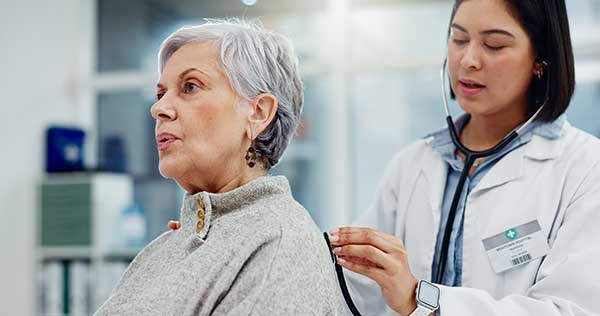
Breathing is a seemingly simple human process that’s easily taken for granted. But for people with breathing difficulties and disorders, that typically unconscious act can be not so simple. Especially for people with COPD.
COPD, short for Chronic Obstructive Pulmonary Disease, is a serious lung disease that makes it hard to breathe because normal airflow to and from the lungs is partly blocked. Unfortunately, it tends to get worse over time.
About COPD
According to Dr. Haval Saadlla, a pulmonology and critical care specialist with Mount Carmel Pulmonary & Sleep Medicine, there are two main types of COPD: chronic bronchitis and emphysema.
“Chronic bronchitis is essentially long-term inflammation of the airways,” he explained. “Emphysema involves the slow destruction of the alveoli (air sacs) in the lungs. Both make breathing a lot harder.”
COPD develops gradually, usually over many years, as the result of damage to the lungs.
“It starts on the cellular level and gets worse,” Dr. Saadlla continued. “The lungs try to defend against the damage, but the irritation and inflammation become excessive. It’s not a one-size-fits-all disease, but that is what commonly happens.”
Another thing many cases have in common is smoking. It’s the single biggest cause of COPD, and many people who suffer from it are either current or former smokers or people who were exposed to secondhand smoke.
“Genetics can play a part as well,” he added. “There’s an inherited enzyme deficiency that can make the lungs more vulnerable. We tend to see that in younger adults.”
Symptoms & Diagnosis
Because the damage to the lungs occurs slowly, people often don’t realize they have COPD until symptoms become noticeable and continual. According to Dr. Saadlla, those symptoms can include a chronic, wet cough; producing excess sputum (mucus or phlegm); and shortness of breath. Those symptoms can also be brought on or worsen with physical activity or during sudden flare-ups.
Most cases are diagnosed using a device called a spirometer, which measures the amount and speed you can inhale or exhale, or with a full pulmonary function test, which measures both air volume and diffusion. According to Dr. Saadlla, the full function test gives providers a better sense of how much damage has been done to the alveoli and how to clinically classify patients (stages 1-4, depending on the disease’s severity).
Treatment, Management & Prevention
Sadly, there’s no cure for COPD, but there are ways to treat and manage the disease.
- Quitting smoking is the most critical step since it can slows the rate of lung damage and can improve symptoms. “No matter what else you do, if you don’t quit smoking you won’t be able to slow the disease or ease the symptoms,” said Dr. Saadlla.
- Medications like bronchodilators and steroids can help open airways and make breathing easier. “During flare-ups, we typically treat with a systemic steroid that reduces inflammation,” he said. “Sometimes we add an inhaler corticosteroid to bronchodilators for certain patients who have elevated eosinophils in their blood work.”
- Oxygen therapy helps improve blood oxygen levels for lots of COPD sufferers.
- Pulmonary rehabilitation, including exercise, breathing techniques, and nutritional improvements can also help people better manage their symptoms. “It’s never too late,” the doctor advises. “It can take 3-5 years, but with strengthening and activity, the lungs can recover. It is possible.”
Prevention is possible, too, and advisable. People with COPD have a much higher chance of suffering a heart attack or stroke. And it’s a lot easier to prevent lung damage than reverse it. Here are some of Dr. Saadlla’s prevention suggestions:
- Don’t start smoking. And if you do smoke, quit.
- Stay active and maintain good nutrition.
- Getting vaccinated for things like the flu, pneumonia, and COVID-19 to prevent infections.
- Get regular lung cancer screenings, which can help detect COPD early.
- If you notice COPD symptoms, see a healthcare provider right away so you can start treatment sooner.
Breathing is something none of us should take for granted, and lung diseases like COPD can be serious concerns. That’s why prevention, diagnosis, and treatment are so important. Mount Carmel offers expert care for COPD. In fact, Mount Carmel East and Mount Carmel Grove City both have been recognized by U.S. News & World Report as High Performing Hospitals for COPD. So if you have risk factors or symptoms, don’t wait. Learn more and talk to a doctor today. Because early action can make all the difference. And breathing easier is something we all should be able to do.