
The Rise of the Protein Trend and Why Whole Foods Continue to Win
March 31, 2026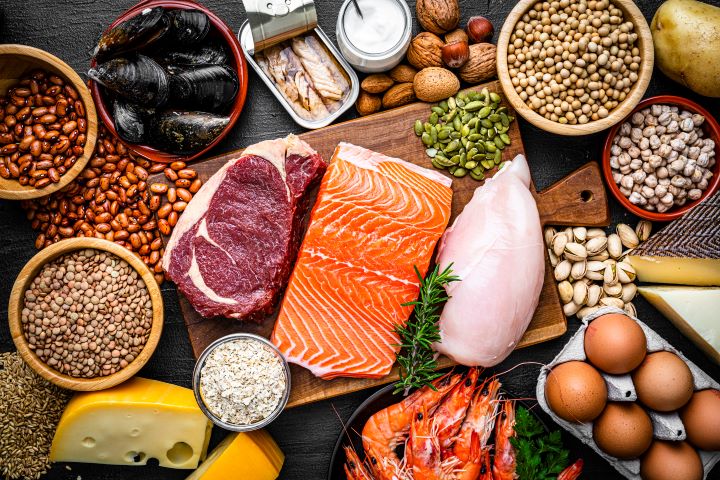
Reviewed by Brandi Mingyar, MS, RD, LD
Protein is having a major moment right now. It is everywhere, from chips and cookies to donuts and even Pop‑Tarts. Food labels proudly highlight added grams of protein as if that alone makes a product healthy. But adding protein to a snack does not automatically turn it into a smart choice, and your body knows the difference. As protein continues to dominate nutrition trends, it is worth taking a closer look at where that protein is coming from and what else is riding along with it.
Protein Is Essential, but Context Matters
There is no question that protein plays an important role in overall health. Your body relies on it to build and maintain muscle, support immune function, and help you feel full and satisfied after meals. The issue is not protein itself, but how it is being packaged and promoted. Many so‑called high‑protein snacks are still ultra‑processed foods, packed with added sugars, refined oils, artificial flavors, and preservatives. While they may help you hit a protein number, they often fall short when it comes to supporting long‑term health.
When Protein Becomes More Marketing Than Nutrition
In many cases, adding protein powder to a snack is more about marketing than meaningful nutrition. A cookie with added protein is still a cookie. A candy‑like bar with a higher protein count is still highly processed and designed for taste, not nourishment. These products often look healthier on the label, but nutritionally, they are not much different from their traditional counterparts. The protein bump may be small, while the sugar and additives remain high.
Whole‑Food Protein Offers More Than Just One Nutrient
Whole‑food protein sources bring far more to the table than protein alone. Foods like eggs, yogurt, chicken, fish, beans, nuts, and tofu naturally provide vitamins, minerals, healthy fats, and fiber. These nutrients work together to support steady energy levels, digestion, and overall metabolic health. Whole foods also tend to be more satisfying, helping you feel full longer without relying on added sweeteners or fillers.
Where Protein Treats Fit In
Protein bars, shakes, and cookies are not inherently bad. They can be helpful in a pinch or convenient during busy days when real food is harder to access. The key is not letting them take center stage in your diet. When protein treats become your primary source of protein, you miss out on the broader nutritional benefits that whole foods provide. Think of these products as occasional extras, not daily staples.
Choosing Protein With Purpose
Protein is important, but where it comes from matters even more. Focusing on whole foods first gives your body the nutrients it needs to function, recover, and thrive. Trendy protein snacks can still have a place, but they should support your diet, not replace real meals. When you prioritize whole‑food protein and use packaged options sparingly, you are making an investment in your long‑term health, and that is a trend worth keeping.