
A nice winter snowfall is welcomed by most, even if it does make driving and other tasks a bit more challenging. It’s certainly beautiful to look at and the kids love it for more than just the days off school it sometimes brings! But as we age, it gets a little more complicated.
According to the American Heart Association (AHA), the combination of colder temperatures and the physical exertion that comes with wintertime activities like shoveling snow increases the workload on the heart and raises the risk of a heart attack. Thankfully, they and the National Safety Council have also offered these practical tips for making it safer.
- If you’re middle aged or older, lead a more sedentary lifestyle, have an existing heart condition, or have a history of heart disease or heart disease symptoms, the increased workload on the heart from activities like shoveling can put you at higher risk for a heart attack. So talk to your doctor before picking up the shovel.
- Do not shovel after drinking alcohol, eating a heavy meal, or smoking. Digestion and smoking can put an extra load on your heart, and alcohol can increase the sensation of warmth and disguise the extra strain your body is under in the cold.
- Stretch before you start and take it slow.
- Shovel only fresh, powdery snow, which is generally lighter.
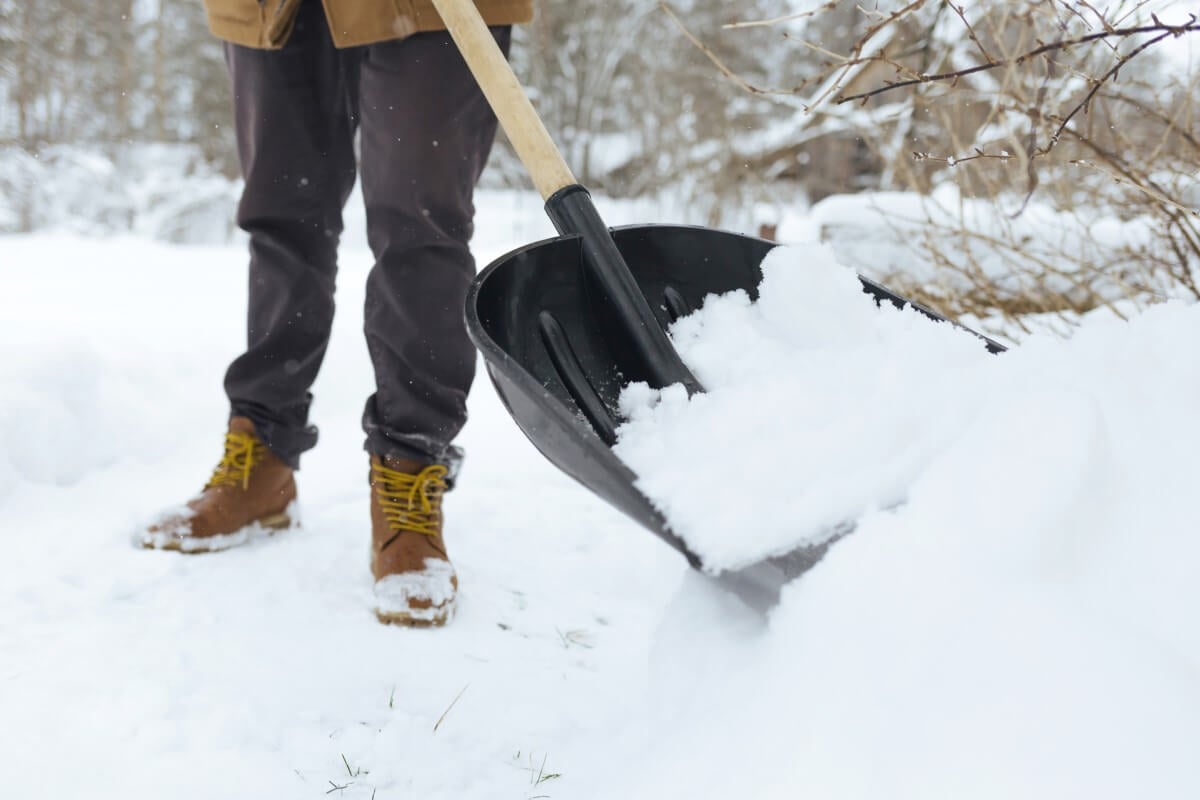
- If possible, try pushing the snow rather than lifting it. Lifting heavy snow can raise your blood pressure, which can trigger a heart attack. It’s safer to lift smaller amounts more times than lug a few huge shovelfuls of snow. If you do lift, use a smaller shovel or only fill it part way each time. And be sure to lift with your legs and not your back.
- Don’t work to the point of exhaustion. Take frequent rest breaks during shoveling so you don’t over stress your heart. And pay attention to how your body feels during those breaks.
- Listen to your body. If you experience any signs of a heart attack, stop immediately and call 911. Every minute counts.
Shoveling snow is just one of the realities of winter where we live, but you can’t let it put your heart health at risk. So follow these tips and have regular checkups with your primary care provider to make sure you’re up to the task. And if you’re not, leave wintertime activities like these to others while you enjoy the view from the warmth of inside.