
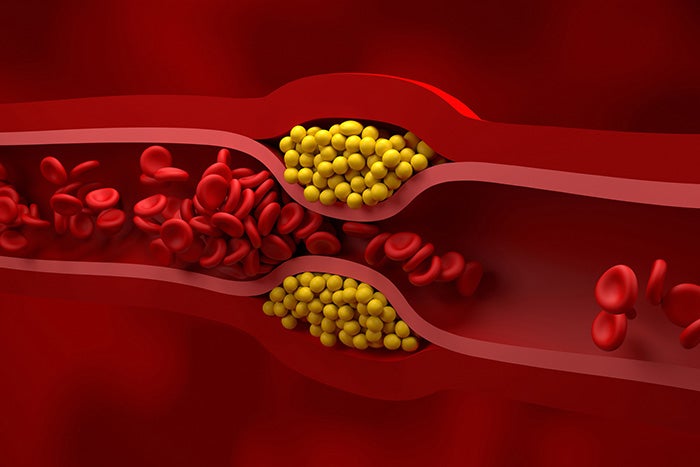
Cholesterol often gets a bad reputation, but the truth is, your body needs it to function properly. The key is maintaining healthy cholesterol levels to protect your heart and reduce the risk of heart disease.
Whether you’re monitoring your numbers or just starting to think about heart health, this guide covers everything you need to know about cholesterol—what it is, why it matters, and how to keep it in check.
What Is Cholesterol?
Cholesterol is a waxy, fat-like substance found in your blood. Your liver produces cholesterol naturally, but you also get it from certain foods. While your body needs cholesterol for things like building cells and producing hormones, too much cholesterol can lead to serious heart problems.
The Good vs. the Bad: Understanding Cholesterol Types
Cholesterol travels through your bloodstream in two main forms:
LDL (Low-Density Lipoprotein) – The "Bad" Cholesterol
- LDL carries cholesterol to your arteries.
- Too much LDL can cause plaque buildup, narrowing arteries and increasing the risk of heart disease and stroke.
HDL (High-Density Lipoprotein) – The "Good" Cholesterol
- HDL helps remove excess cholesterol from the bloodstream, carrying it back to the liver to be processed and eliminated.
- Higher levels of HDL are linked to a lower risk of heart disease.
Triglycerides: Another Key Factor
- Triglycerides are a type of fat in your blood.
- High triglyceride levels, combined with high LDL and low HDL, increase heart disease risk.
What Are Healthy Cholesterol Levels?
A simple blood test, called a lipid panel, measures your cholesterol levels. Here’s what the numbers mean:
- Total Cholesterol: Less than 200 mg/dL is ideal.
- LDL (Bad) Cholesterol: Less than 100 mg/dL is optimal.
- HDL (Good) Cholesterol: 60 mg/dL or higher is protective.
- Triglycerides: Less than 150 mg/dL is recommended.
If your numbers fall outside these ranges, your doctor may recommend lifestyle changes or medications to bring them back to a healthy level.
What Causes High Cholesterol?
Several factors can contribute to high cholesterol levels, including:
- Unhealthy Diet: Eating too much saturated and trans fat can raise LDL cholesterol.
- Lack of Exercise: Physical activity helps boost HDL (good) cholesterol and lower LDL (bad) cholesterol.
- Smoking: Damages blood vessels, lowers HDL, and increases LDL.
- Excess Weight: Being overweight or obese can raise LDL and triglycerides while lowering HDL.
- Genetics: Some people inherit a tendency for high cholesterol, even with a healthy lifestyle.
- Age: Cholesterol levels tend to rise as you get older.
How to Maintain Healthy Cholesterol Levels
The good news is that you can take control of your cholesterol with simple lifestyle changes.
Heart-Healthy Foods
Eating a balanced diet can help lower LDL and increase HDL cholesterol:
- Eat more fiber – Whole grains, fruits, vegetables, and legumes help lower cholesterol.
- Choose healthy fats – Replace saturated and trans fats with unsaturated fats found in nuts, seeds, and olive oil.
- Opt for lean proteins – Fish, poultry, and plant-based proteins like beans and lentils are great choices.
- Limit processed foods – Fast food, fried foods, and packaged snacks often contain unhealthy fats.
Exercise Regularly
- Aim for at least 150 minutes of moderate exercise per week (like brisk walking, cycling, or swimming).
- Strength training twice a week can also help improve cholesterol levels.
Quit Smoking
- Quitting smoking improves HDL cholesterol and benefits heart health almost immediately.
Manage Weight
- Losing even 5-10% of body weight can have a positive impact on cholesterol levels.
Consider Medication if Needed
If lifestyle changes aren’t enough, your doctor may prescribe cholesterol-lowering medications, such as statins, to reduce LDL and lower heart disease risk.
The Bottom Line
Cholesterol plays a vital role in your health, but keeping it balanced is essential for protecting your heart. By eating a heart-healthy diet, staying active, and managing other risk factors, you can maintain healthy cholesterol levels and reduce your chances of heart disease.