A New Era in Heartburn Treatment: Mount Carmel St. Ann's Completes Ohio's First cTIF Procedures
November 11, 2026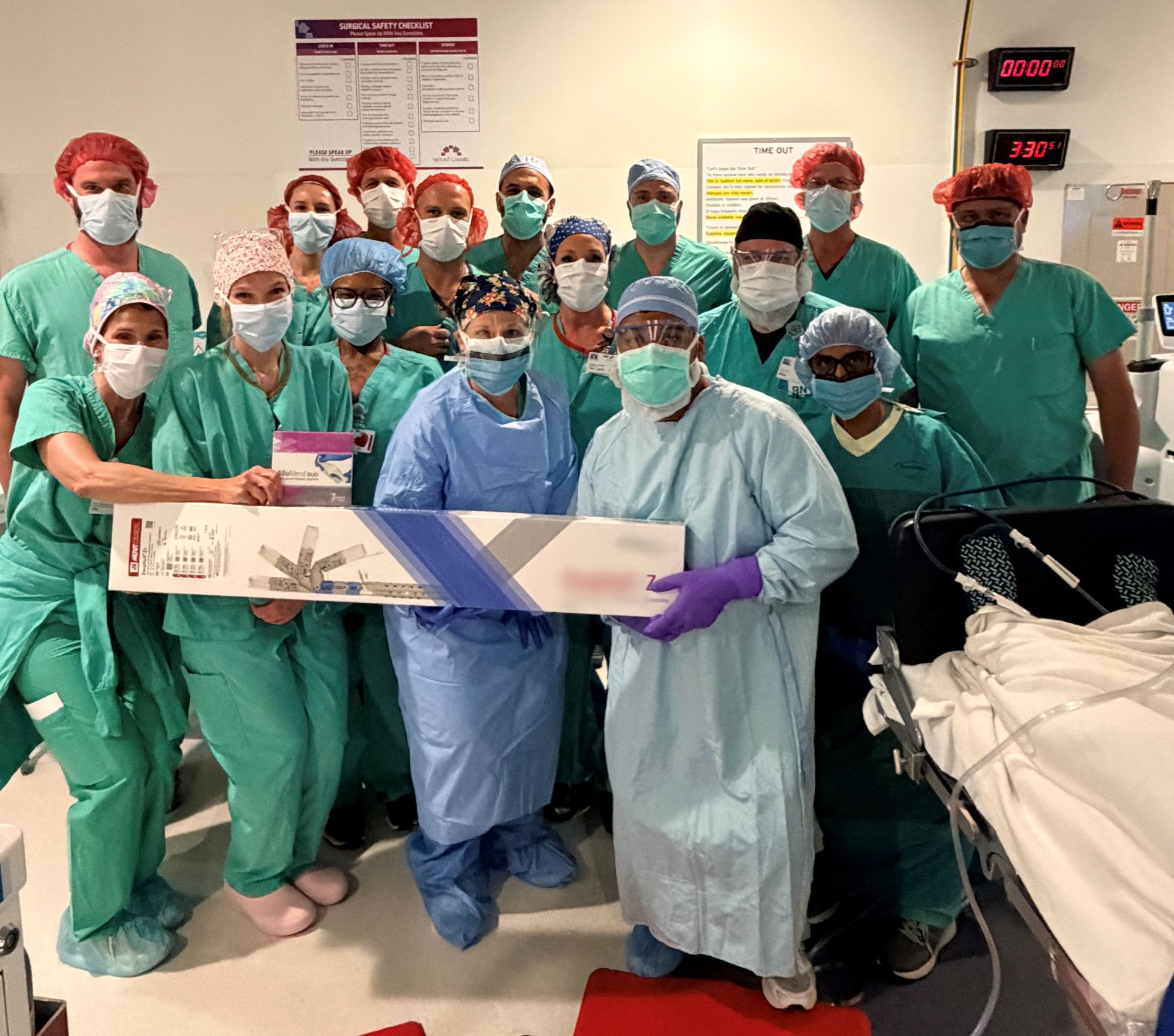
For millions of Americans, chronic heartburn and acid reflux significantly impact their daily lives. While medications can help many of them manage symptoms, some continue to struggle with persistent discomfort, regurgitation, and GERD-related complications.
For those whose symptoms persist, surgical solutions have emerged to provide relief when medications and lifestyle changes aren’t enough.
“Chronic GERD treatment has evolved, from previously only having medications, to open surgery, now to a more minimally invasive approach,” said Mount Carmel surgeon Dr. Brandon Murphy. “Patients have options. Instead of lifelong medications that have side effects, we now can offer a more minimally invasive approach restoring the body's natural barriers to reflux.”
In fact, Mount Carmel St. Ann's recently became the first hospital in Ohio to offer the cTIF procedure – an innovative new solution for eligible patients looking for long-term relief from their chronic reflux symptoms. Part of Mount Carmel's comprehensive Heartburn Clinic, cTIF is another important milestone not just in GERD treatment but in digestive health overall.
What Is Chronic Heartburn and GERD?
GERD, short for gastroesophageal reflux disease, happens when stomach acid flows back up into the esophagus, causing irritation. When that irritation happens only occasionally, it’s typically known as heartburn. But when those symptoms become chronic and progressive, they can become GERD.
Among the most common GERD symptoms are:
- Frequent heartburn
- Regurgitation
- Difficulty swallowing
- Chronic cough
- Hoarseness
- Chest discomfort
These symptoms can often be addressed with a class of medications called proton pump inhibitors (PPIs), which reduce stomach acid production. While they can be highly effective in treating acid reflux, they’re not necessarily suitable for all patients or circumstances. And untreated GERD can lead to other conditions.
"Chronic GERD should not be ignored, as repeated acid exposure to the esophagus can cause damage and lead to Barrett’s esophagus, which is a pre-cancerous condition,” said Mount Carmel gastroenterologist Dr. Mohamed Elmasry. “Patients should seek medical attention if GERD symptoms are persistent or if they feel the need to take over-the-counter heartburn medications regularly."
What Is cTIF?
When medications alone aren’t relieving symptoms, surgical solutions have proven very effective. And new procedures like cTIF are taking treatment to another level.
cTIF, also known as Concomitant Transoral Incisionless Fundoplication, is an advanced minimally invasive procedure that helps restore the body's natural barrier against acid reflux. The surgeon first laparoscopically reduces the hiatal hernia and strengthens the muscles around the gastroesophageal junction (GEJ) valve. Following that, using an endoscope, the gastroenterologist lengthens and reconstructs the GEJ valve. As a result, the natural anti-reflux barrier and function are restored, providing reliable results with minimal side effects.
"cTIF is minimally invasive and allows for the creation of a gastro-esophageal valve that functions the same way a normal valve would, acting as a barrier to acid reflux,” said Dr. Elmasry.
“cTIF offers a more minimally invasive multi-specialty repair to the body's natural barrier to reflux,” Dr. Murphy added. “Instead of changing anatomy, we now can repair the gastroesophageal valve to drastically decrease reflux.”
“Compared to the traditional hernia repair with a Nissen fundoplication, cTIF has shown a more favorable outcome and far less issues with abdominal bloating, recurrent GERD, and dysphagia post-surgery." Dr. Elmasry concluded.
A First for Ohio
cTIF marks a significant advancement in heartburn care here in Ohio. And as the first program in the state to offer the procedure, Mount Carmel’s Heartburn Program not only expands its capabilities but also continues its commitment to bringing advanced, patient-centered care close to home for patients across the region.
"We’re proud to be the first health system to bring this innovative approach of addressing hernia repair and chronic GERD to Ohio,” Dr. Elmasry said. “It’s a great opportunity for patients who have suffered from chronic GERD to have an option to address the underlying issue, resolve the reflux, and get them off medications."
Who Might Be a Candidate for cTIF?
Mount Carmel takes a multidisciplinary approach to GERD treatment. As such, the Heartburn Program team determines cTIF eligibility through a comprehensive evaluation. That evaluation considers if a patient:
- Experiences frequent heartburn despite medication
- Relies on acid reducers long term
- Has chronic reflux symptoms that affect their daily activities
- Experiences regurgitation or nighttime reflux
- Has been diagnosed with GERD
- Is seeking additional treatment options to avoid taking long-term medications
Why Early Evaluation Matters
A thorough, thoughtful evaluation is important for several reasons.
First, many patients normalize their symptoms, meaning they tend to live with a condition that’s often treatable. Second, chronic reflux can worsen over time and lead to other, more dangerous issues. Third, effective, advanced treatments are available and can be personalized to each patient’s needs, goals, and lifestyle.
“Chronic reflux is not only life-altering, but, as we mentioned, can increase your risks of esophageal cancer,” Dr. Murphy reminded. “Early evaluation can be critical in reducing that risk and allowing patients to return to a reflux-free life.”
"Plus, if you’ve been suffering from chronic GERD and are dependent on medication, innovative treatments like cTIF can be an option for you," said Dr. Elmasry. “An evaluation is the best way to learn about them.”
Heartburn Doesn’t Have to Control Your Life
If you're experiencing frequent heartburn, acid reflux, regurgitation, or other GERD symptoms, talk to the experts at Mount Carmel's Heartburn Clinic to learn about all the innovative treatments available and determine the best option for you. Whether it’s lifestyle changes, medication management, or advanced procedures like cTIF, you’ll get a personalized care plan that can help eliminate the irritation of chronic heartburn and acid reflux from your daily life.