Understanding the Connection Between Diabetes and Liver Disease
November 2, 2026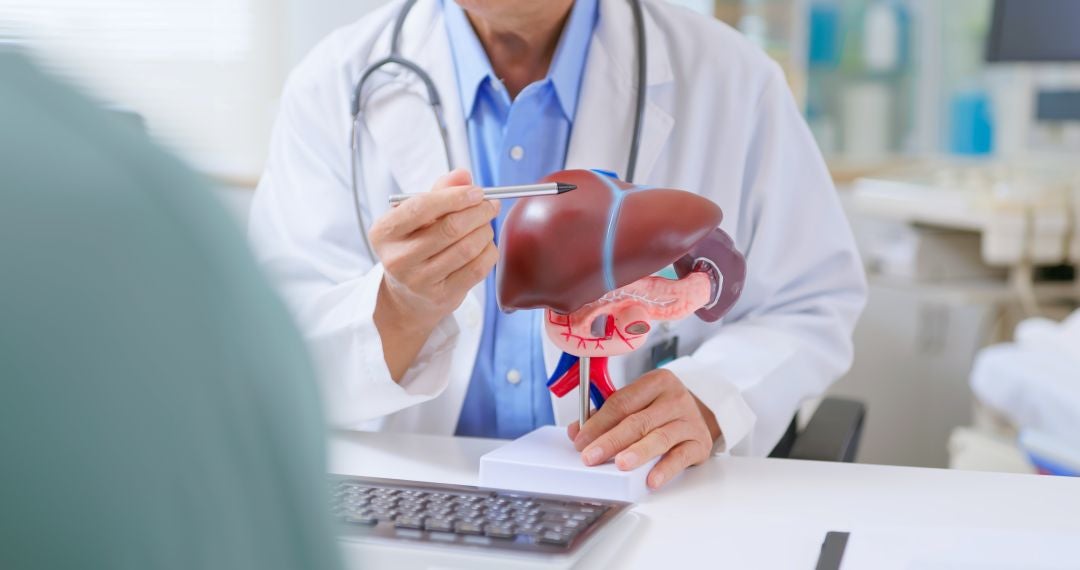
Your liver is the largest internal organ in your body and plays a vital role in keeping you healthy. It helps remove waste, digest fat, process medications and regulate blood sugar levels. Because the liver and blood sugar are so closely connected, diabetes and liver disease often go hand in hand.
When blood sugar remains elevated over time, it can damage organs throughout the body, including the liver. At the same time, excess fat and inflammation in the liver can make it harder for the body to regulate blood sugar. This can increase the risk of developing type 2 diabetes and make existing diabetes more difficult to manage.
As rates of diabetes continue to rise, so does the number of people affected by liver disease. Understanding the connection between these conditions can help you take steps to protect your health.
How Metabolic Dysfunction Affects the Liver
Metabolism is the process your body uses to convert food and drink into energy. When that process does not work efficiently, metabolic dysfunction can occur. This can contribute to high blood sugar, excess body weight, abnormal cholesterol levels and other health concerns that increase the risk of liver disease.
Over time, elevated blood sugar levels can damage the liver and other organs. At the same time, fat buildup and liver damage can worsen blood sugar control. Because these conditions influence one another, people with diabetes are at an increased risk of developing liver disease.
Types of Liver Disease
Liver disease often develops gradually and can progress through several stages:
- Metabolic Dysfunction-Associated Steatotic Liver Disease (MASLD): An early stage of liver disease that occurs when excess fat builds up in the liver.
- Metabolic Dysfunction-Associated Steatohepatitis (MASH): A more advanced form of MASLD. In addition to fat buildup, inflammation develops in the liver and can lead to the formation of scar tissue.
- Cirrhosis: Occurs when extensive scarring causes permanent damage to the liver and affects its ability to function properly.
- Hepatocellular Carcinoma (HCC): The most common type of primary liver cancer and can develop as liver disease progresses.
- Acute Liver Failure: A serious condition in which the liver rapidly loses its ability to perform essential functions. People whose diabetes is not well controlled have a greater risk of progressing from early-stage liver disease to more advanced forms of liver damage.
Shared Risk Factors
Diabetes and liver disease share many of the same risk factors, including:
- Increasing age
- Obesity
- Smoking
- High blood pressure
- High cholesterol
Having one or more of these risk factors does not mean you will develop liver disease, but it may increase your risk.
What Are the Symptoms?
One of the challenges of liver disease is that it often develops silently. MASLD and MASH may not cause noticeable symptoms for many years.
As liver disease progresses, symptoms may include:
- Loss of appetite
- Fatigue
- Yellowing of the skin or eyes (jaundice)
- Pain or discomfort in the upper right side of the abdomen
- Unexplained weight loss
Because symptoms may not appear until the disease has advanced, screening can be an important tool for early detection.
Screening for Liver Disease
People with diabetes should talk with their healthcare provider about whether liver disease screening is appropriate for them.
One commonly used screening tool is the Fibrosis-4 (FIB-4) Index, which uses routine blood test results and your age to estimate the risk of liver scarring. If your FIB-4 score suggests a higher risk, your provider may recommend additional testing, such as:
- Ultrasound
- CT scan
- MRI
- Liver biopsy
These tests can help determine whether liver damage is present and guide next steps for treatment and monitoring.
Preventing and Treating Liver Disease
The good news is that many of the same lifestyle habits that help manage diabetes can also help prevent liver disease and slow its progression.
Lose Excess Weight
Even modest weight loss can make a difference. Losing 5% to 10% of your body weight may reduce fat in the liver and improve blood sugar control.
Follow a Healthy Diet
Excess carbohydrates can increase blood sugar levels and contribute to fat storage in the liver. Limiting added sugars, balancing carbohydrate intake and reducing saturated fat can support both liver health and diabetes management.
Stay Physically Active
Regular physical activity helps your body use insulin more effectively and can reduce fat stored in the liver. A common goal is at least 30 minutes of moderate activity, such as walking, on most days of the week.
Limit Alcohol
Reducing alcohol consumption can decrease stress on the liver and help slow further damage.
Additional Treatment Options
Depending on the stage of liver disease, your healthcare provider may recommend additional treatments, including:
- Improving A1C levels with diabetes medications
- Weight-loss medications
- Bariatric surgery
- Medications approved to help slow the progression of MASH, such as pioglitazone and resmetirom
Your treatment plan will depend on your individual health needs and the severity of liver disease.
Talk With Your Healthcare Provider
Because liver disease often develops without symptoms, many people do not realize they have it until significant damage has occurred. If you have diabetes or other risk factors, talk with your healthcare provider about your risk for liver disease and whether screening may be right for you.
Early detection and treatment can help protect your liver and support your overall health.