

Atrial fibrillation (also known as AFib) is a common heart rhythm condition in which the heart chambers fail to contract in a coordinated, rhythmic way. Mount Carmel helps patients in Columbus and central Ohio correct their atrial fibrillation by providing thorough, collaborative, compassionate care and innovative treatments, including atrial fibrillation ablation.
To schedule an appointment, call 614-627-2000.
What You Need to Know About Atrial Fibrillation
Understanding atrial fibrillation (AFib) is crucial for your heart health. In this episode, Dr. Laura Gravlin, a cardiac electrophysiologist, explains what AFib is, how it affects the heart, and why awareness is vital. Dive into the nuances of this condition and learn how you can manage your heart health effectively.
More About AFib
If you have AFib, the normal beating in the upper chambers of the heart (the two atria) is irregular, and blood doesn’t flow as well as it should from the atria to the lower chambers of the heart (the two ventricles). That means the heart may not be pumping enough oxygen-rich blood out to the body. It can happen in brief episodes or be a permanent condition.
AFib Risk Factors
The most common risk factors for AFib include:
- Advancing age
- High blood pressure
- Obesity
- Obstructive Sleep Apnea
- Diabetes
- Heart failure
- Ischemic heart disease
- Hyperthyroidism
- Chronic kidney disease
- Moderate to heavy alcohol use
- Smoking
- Enlargement of the chambers on the left side of the heart
AFib Prevention
Lifestyle changes can help you reduce your risk of developing AFib. Maintaining a healthy weight, managing blood pressure, exercising regularly, avoiding smoking, and reducing alcohol intake can all play significant roles in keeping your heart in good rhythm. These proactive steps can not only lower your risk for AFib but also benefit your overall cardiovascular health.
Signs and Symptoms of AFib
Some people don’t know they have AFib because they don’t have any symptoms. Others can experience one or more of the following:
- Irregular heartbeat
- Heart palpitations (rapid, fluttering, or pounding)
- Chest pain
- Dizziness
- Lightheadedness
- Extreme or unusual fatigue
- Shortness of breath
AFib is often discovered during a regular medical check-up, which is another reason why regular check-ups are so important, especially if you have risk factors. If you’re regularly (or even occasionally) experiencing any of these symptoms, be sure to discuss them with a Mount Carmel primary care provider right away.
AFib Treatment
Medications that control the heart’s rhythm and rate are some of the most frequently prescribed treatments for AFib. Blood-thinning medicines that prevent blood clots can also be beneficial, since AFib is associated with a greater risk of stroke. When combined with healthy lifestyle changes, medication can be very effective.
When an irregular rhythm isn’t responding to medication, Mount Carmel offers a safe and effective procedure called atrial fibrillation ablation. During the procedure, which can be performed surgically or non-surgically, the tissue that causes the heart’s electrical system to “short-circuit” is altered or ablated so that it can no longer fire inappropriately. This often restores the heart’s normal rhythm and eliminates AFib symptoms.
Why Choose Mount Carmel for AFib Care
At Mount Carmel we combine the best, most appropriate treatments with uniquely compassionate care. Our collaborative team of cardiac electrophysiologists and cardiothoracic surgeons will work with you to determine the best approach for your unique circumstances. Depending on the treatment path you follow, you'll work with the same surgeon or electrophysiologist for both your procedure and follow-up, so you’ll receive not just comprehensive care, but consistent care as well. And your physician here will stay in touch with your personal physician so that they're kept in the loop, too.
Find an expert physician and schedule a convenient appointment today.
Related Providers

Jianqing Li, MD
Cardiology +2 more
Accepting New Patients
Mount Carmel Medical Group
Mount Carmel Health Partners
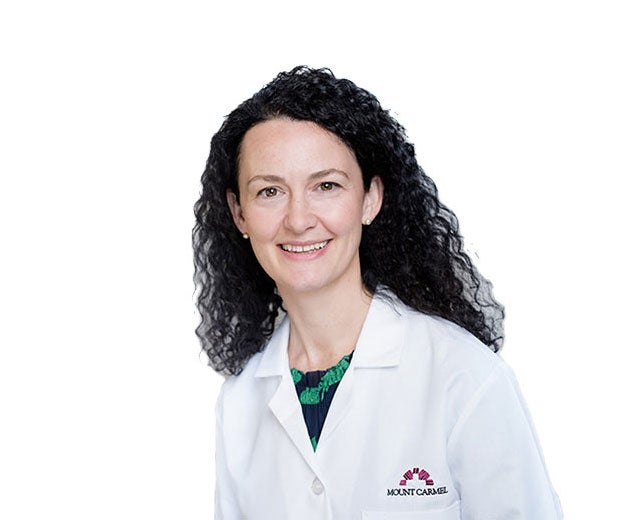
Laura Michelle Gravelin, MD
Cardiology +2 more
Accepting New Patients
Mount Carmel Medical Group
Mount Carmel Health Partners

Kamel Norteye Addo, MD
Cardiology +2 more
Accepting New Patients
Mount Carmel Medical Group
Mount Carmel Health Partners

F Kevin Hackett, MD
Cardiology +2 more
Accepting New Patients
Mount Carmel Medical Group
Mount Carmel Health Partners
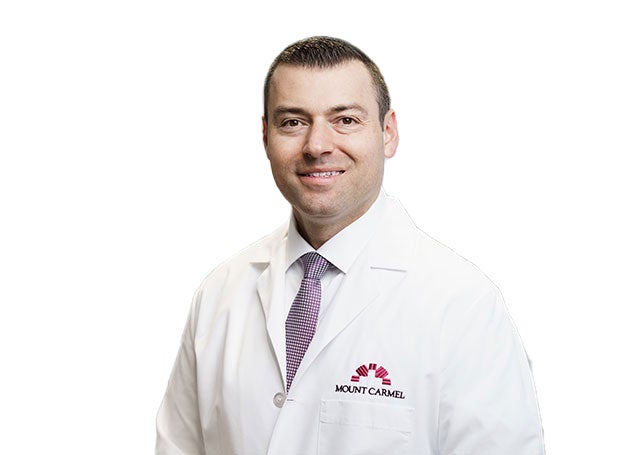
Lee William Gemma, MD
Cardiology +2 more
Accepting New Patients
Mount Carmel Medical Group
Mount Carmel Health Partners
Related Locations
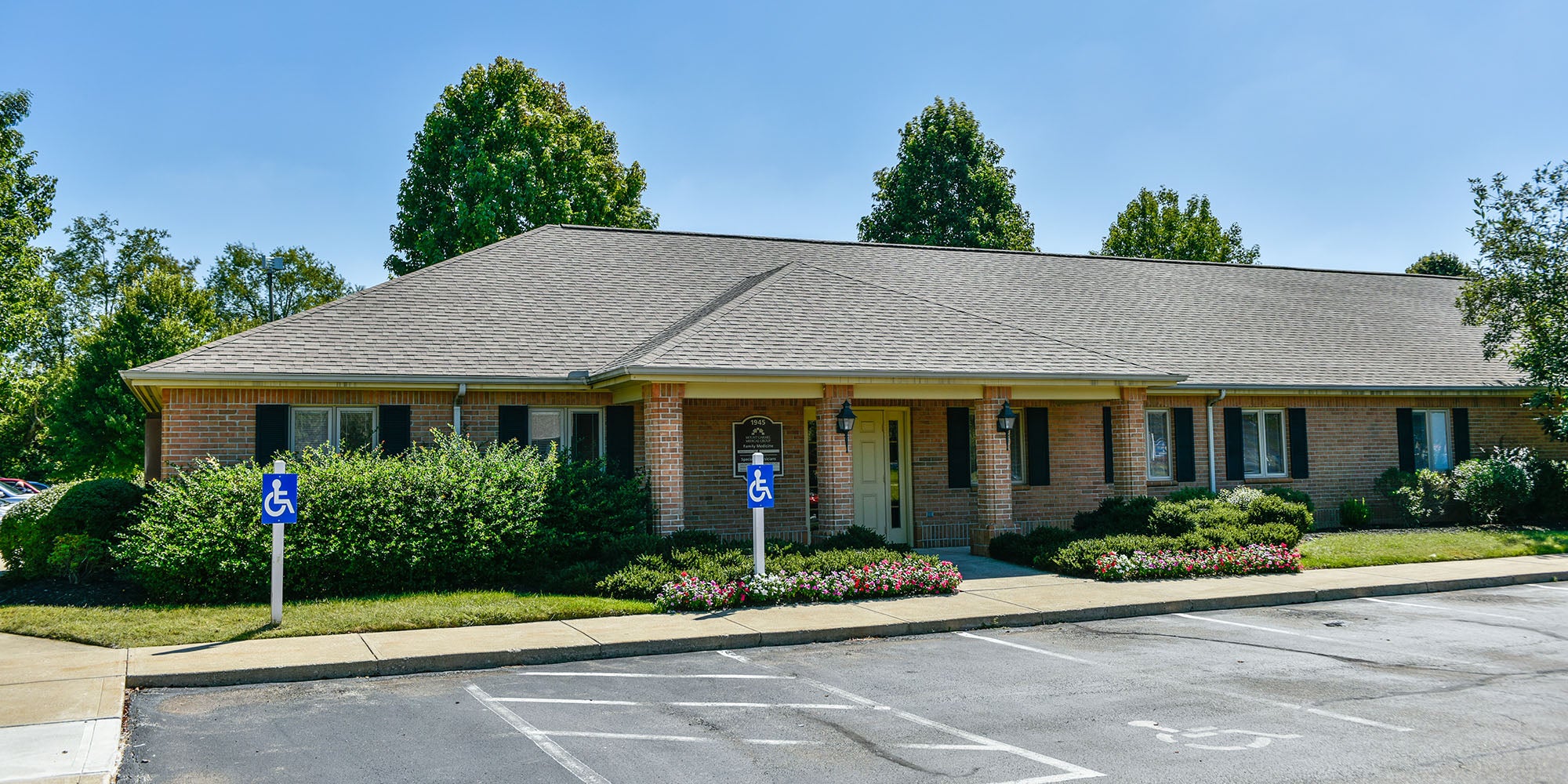
Mount Carmel Heart & Vascular Specialists Granville
1945 Newark Granville Rd
Granville, OH 43023

Mount Carmel Heart & Vascular Specialists Hilliard
4674 Britton Parkway Ste 2000
Hilliard, OH 43026
Mount Carmel Heart Failure Management Grove City
5300 N Meadows Dr Bldg 1 Ste 280
Grove City, OH 43123

Mount Carmel Heart & Vascular Specialists Lewis Center
7100 Graphics Way Ste 2400
Lewis Center, OH 43035