
Emergency Preparedness: Are You Ready for the Unexpected?
October 13, 2026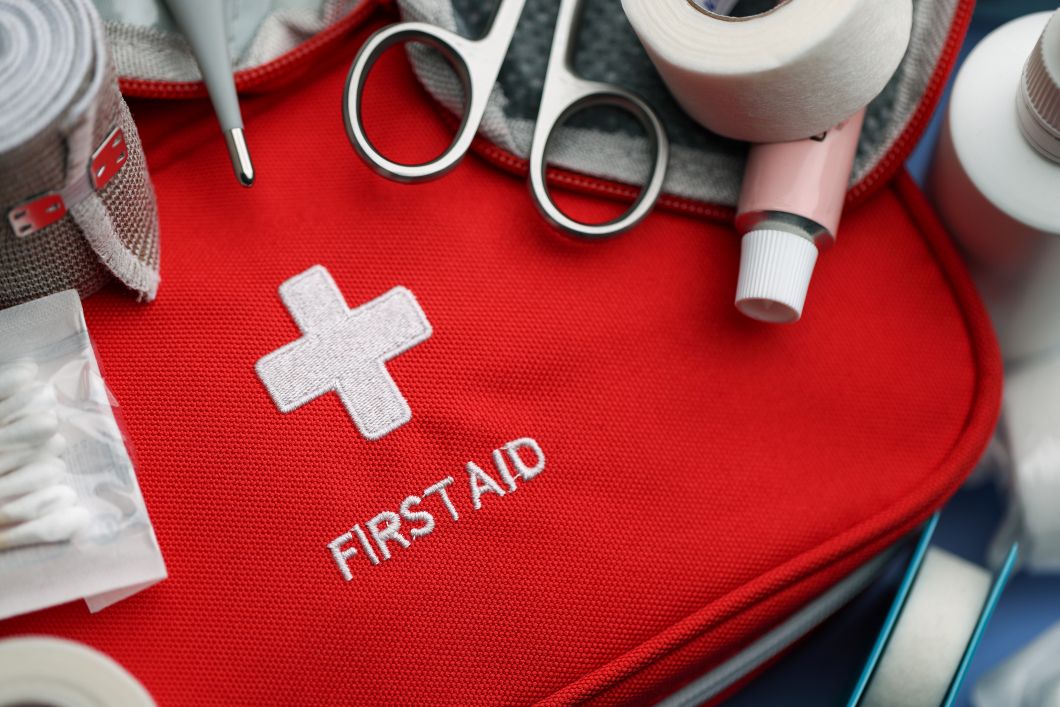
Emergencies can happen at any time, whether it's a sudden illness, injury, severe weather event, or another unexpected situation. Taking a few simple steps now can help you stay calm, organized, and prepared when every minute matters.
Here are some practical ways to help protect yourself and your loved ones before an emergency occurs.
Build a Medical Emergency Kit
Having essential medical information and supplies readily available can help you respond quickly during an emergency.
Consider keeping:
- A list of current medications and dosages
- Allergy information
- Copies of insurance cards
- Photo identification
- Contact information for your primary care provider and specialists
- Emergency contact information
- A list of medical conditions and past surgeries
- Extra eyeglasses, hearing aid batteries, or other necessary medical devices
- Basic first-aid supplies
- A flashlight and extra batteries
- Portable phone charger
Store important information in both a printed format and electronically on your phone whenever possible.
Create an Emergency Contact Checklist
In a medical emergency, it can be difficult to remember important phone numbers and details. Create a contact list that includes:
- Primary emergency contact
- Secondary emergency contact
- Primary care provider
- Specialists
- Pharmacy
- Nearby family members or caregivers
- School or workplace emergency contacts
Be sure to review and update your list regularly.
Prepare Your Family Before an Emergency Happens
Having a plan in place can help reduce stress when the unexpected occurs.
Discuss:
Where to Go
Know the location of your nearest emergency department, urgent care, and primary care office.
How You'll Communicate
Choose a family member or friend who can serve as a central point of contact during an emergency.
Important Medical Information
Make sure trusted family members know about:
- Medications
- Allergies
- Chronic health conditions
- Healthcare power of attorney documents
- Insurance information
Transportation Plans
Determine in advance how family members would get to the hospital if needed.
Make Sure Your Health Information Is Current
Many people delay updating important medical information until an emergency occurs.
Take time to:
- Update medication lists
- Review emergency contacts
- Verify insurance information
- Ensure your primary care provider information is current
- Keep copies of important healthcare documents in an accessible location
Consider the Needs of Children and Older Adults
Every household is different. Your emergency plan should account for anyone who may require additional support.
Think about:
- Childcare arrangements during emergencies
- Medical equipment or mobility needs
- Prescription medication refills
- Cognitive or memory concerns
Use Technology to Stay Connected
Digital tools can help you access important information more quickly.
Consider:
- Saving emergency contacts as favorites in your phone
- Enabling medical ID features on your smartphone
- Using patient portals such as MyChart to access health information
- Sharing emergency contact information with trusted family members
Know When to Seek Emergency Care
Some symptoms should never be ignored.
Seek emergency care immediately for:
- Chest pain
- Difficulty breathing
- Signs of stroke, such as facial drooping, arm weakness, or speech difficulty
- Severe bleeding
- Serious injuries
- Sudden confusion or loss of consciousness
If you believe you are experiencing a life-threatening emergency, call 911 immediately.
A Little Preparation Can Make a Big Difference
No one plans for a medical emergency, but preparing ahead of time can help you make informed decisions when seconds count. By keeping important information accessible, creating a family emergency plan, and knowing where to seek care, you can feel more confident and ready for whatever comes your way.
Emergency Preparedness Checklist:
✔ Keep an updated medication list
✔ Save emergency contacts in your phone
✔ Carry your insurance card and ID
✔ Know your closest emergency department
✔ Review your family's emergency plan
✔ Update healthcare and caregiver information annually
✔ Enable your phone's Medical ID feature
✔ Refill important medications before they run low
Being prepared today can help make tomorrow's emergencies a little easier to navigate. With eight Mount Carmel Emergency Department locations across Central Ohio, expert emergency care is always nearby when you need it most. Take a moment today to identify the location closest to your home, work, or school so you're ready when every minute matters.