
Emergency Rooms in Columbus and Central Ohio
When minutes matter, Mount Carmel is here with eight full-service emergency rooms across Central Ohio.
Tell Us You're Coming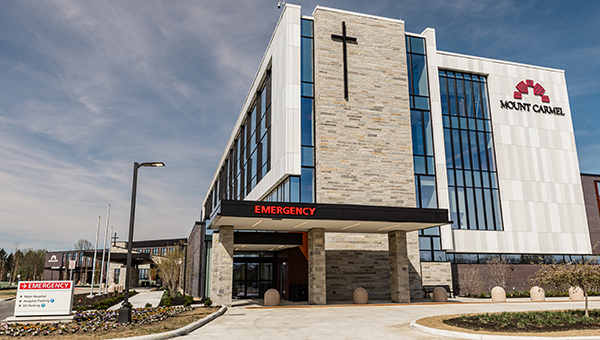
With eight full-service emergency rooms across central Ohio, we're open 24 hours a day, 365 days a year, providing expert emergency care that’s close to home. From serious injuries to unexpected illnesses, our emergency teams are equipped to handle almost any medical emergency, including trauma care, stroke care, cardiac emergencies, and pediatric emergency care.
Our emergency departments are staffed by board-certified emergency physicians, highly trained nurses, on-call specialists, and experienced technicians, all supported by advanced diagnostic imaging, laboratory services, and treatment technology. More than 185,000 patients trust Mount Carmel for emergency care each year.
Mount Carmel’s emergency departments are located in Canal Winchester, Columbus, Dublin, Grove City, Lewis Center, New Albany, Reynoldsburg, and Westerville.
Life-threatening emergency?
Call 911. Do not drive yourself if you are severely ill or injured.
Already on your way? Use MyChart to let the selected emergency department know you are coming. This does not reserve a place or guarantee a wait time.
Frequently Asked Questions
If available, please bring a photo ID, insurance card, a list of current medications and doses of your medications, information about allergies, and contact information for your primary care provider. If you are unable to bring these items, we will still provide care. If you have relevant medical records, recent test results, or information about recent hospitalizations, bringing that information may also be helpful.
Yes. Under Ohio's Never Alone Act, patients may choose a support person or advocate to be present during their care whenever possible. Visitation and advocate presence may vary based on patient needs, available space, safety considerations, and hospital policies. In certain situations, access may be temporarily restricted to protect patient safety, privacy, or the delivery of care. Please ask a member of our team about current guidelines during your visit.
Emergency departments do not always see patients in the order they arrive. Patients are evaluated and treated based on the urgency and severity of their condition. Someone who arrives after you may need more immediate care and therefore be seen first. We understand that can be frustrating, but please be patient with us.
The wait time displayed online reflects the estimated time to see a provider when you arrive and does not account for testing, treatment, consultations, or changes in patient volume. While we can provide general updates on wait times, unexpected emergencies can affect how quickly patients are seen. Our team is committed to providing safe, efficient care for every patient.
Depending on your symptoms and the evaluation you may need, your care team may ask you not to eat or drink. This is especially important for conditions that may require surgery, procedures, sedation, or certain types of testing.
If you are being seen for abdominal pain, chest pain, or another condition that may require additional procedures, please do not eat or drink until you've spoken with a member of your care team. If you are unsure, ask a member of our team before eating or drinking.
You have the right to leave at any time; however, doing so before your evaluation and treatment are complete may delay diagnosis or lead to worsening symptoms. If you are considering leaving because of a long wait or another concern, please let a member of our team know so we can discuss your concerns and help you understand the risks of leaving before your evaluation is complete.
Your care team may include emergency physicians, physician assistants (PAs), nurse practitioners (NPs), nurses, technicians, and other healthcare professionals. These team members work together to evaluate your condition, order tests, provide treatment, and discuss next steps. The specific members of your care team may vary based on your medical needs and the care being provided.
If needed, your emergency care team may also consult a specialist, who may evaluate you in person or provide recommendations regarding your care.
You may be asked the same questions about your symptoms, medications, allergies, or medical history by different members of your care team. This information helps ensure that important details are communicated accurately and helps keep you safe throughout your visit.
We encourage you to be an active participant in your care. If you have questions, you can ask, "What comes next?" to a member of your care team to better understand the next step in your evaluation or treatment. Patients who use MyChart may also be able to follow parts of their care and view test information as it becomes available. Because emergency care can change quickly, the plan may be adjusted as new information becomes available.
Being evaluated by a provider is only one part of your emergency department visit. Depending on your condition, you may need laboratory tests, imaging, medications, procedures, specialist consultation, or additional monitoring before decisions can be made about your care.
Test results vary based on the type of test and current department volume. Some tests are completed quickly, while others require additional processing or review. Before results can be discussed with you, they must be reviewed by a provider. Your care team will share results and next steps as soon as they are available.
The emergency department is designed to evaluate and treat urgent and emergency medical conditions. Some tests, procedures, or follow-up care are more appropriately completed by your primary care provider or specialist after your emergency evaluation. Your emergency care team will recommend additional testing or follow-up based on your symptoms and medical needs.
If additional treatment or monitoring is needed, your emergency provider may recommend admission to the hospital. While you wait for an inpatient room, your emergency department team will continue to provide your care and treatment. Depending on your medical needs and the availability of services, you may be admitted to the hospital where you received emergency care or transferred to another facility that can provide the care you need.
Even if your emergency condition has been treated, it is important to follow up with your primary care provider or specialist as recommended. Ongoing care with a primary care provider is one of the best ways to manage your long-term health and prevent future health concerns.
All Mount Carmel emergency rooms are open 24/7. Choose a location for directions, current details and available wait-time information.
Our Emergency Rooms
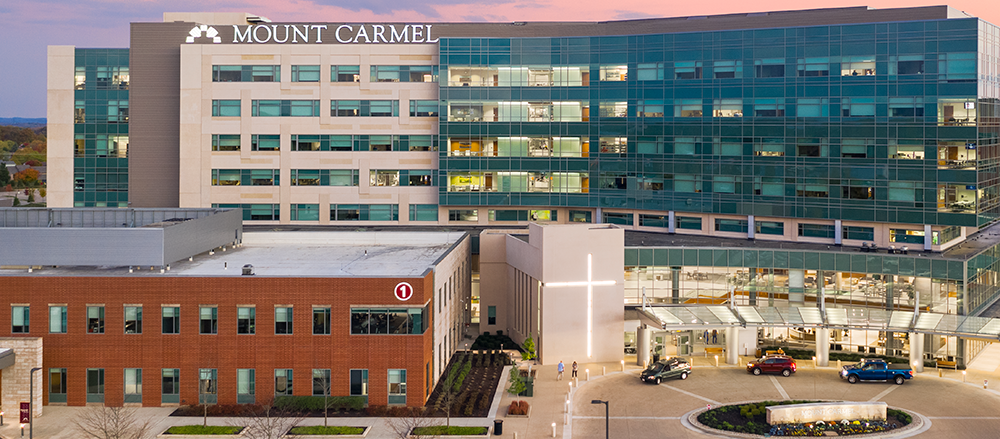
Mount Carmel Grove City
5300 N Meadows Dr
Grove City, OH 43123
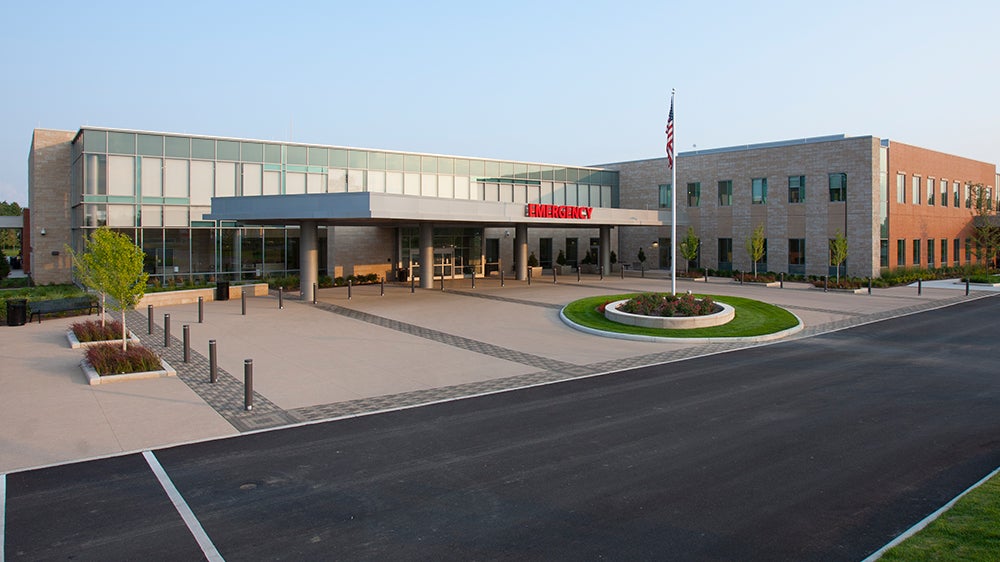
Mount Carmel Grove City Emergency Room
5300 North Meadows Drive
Grove City, OH 43123
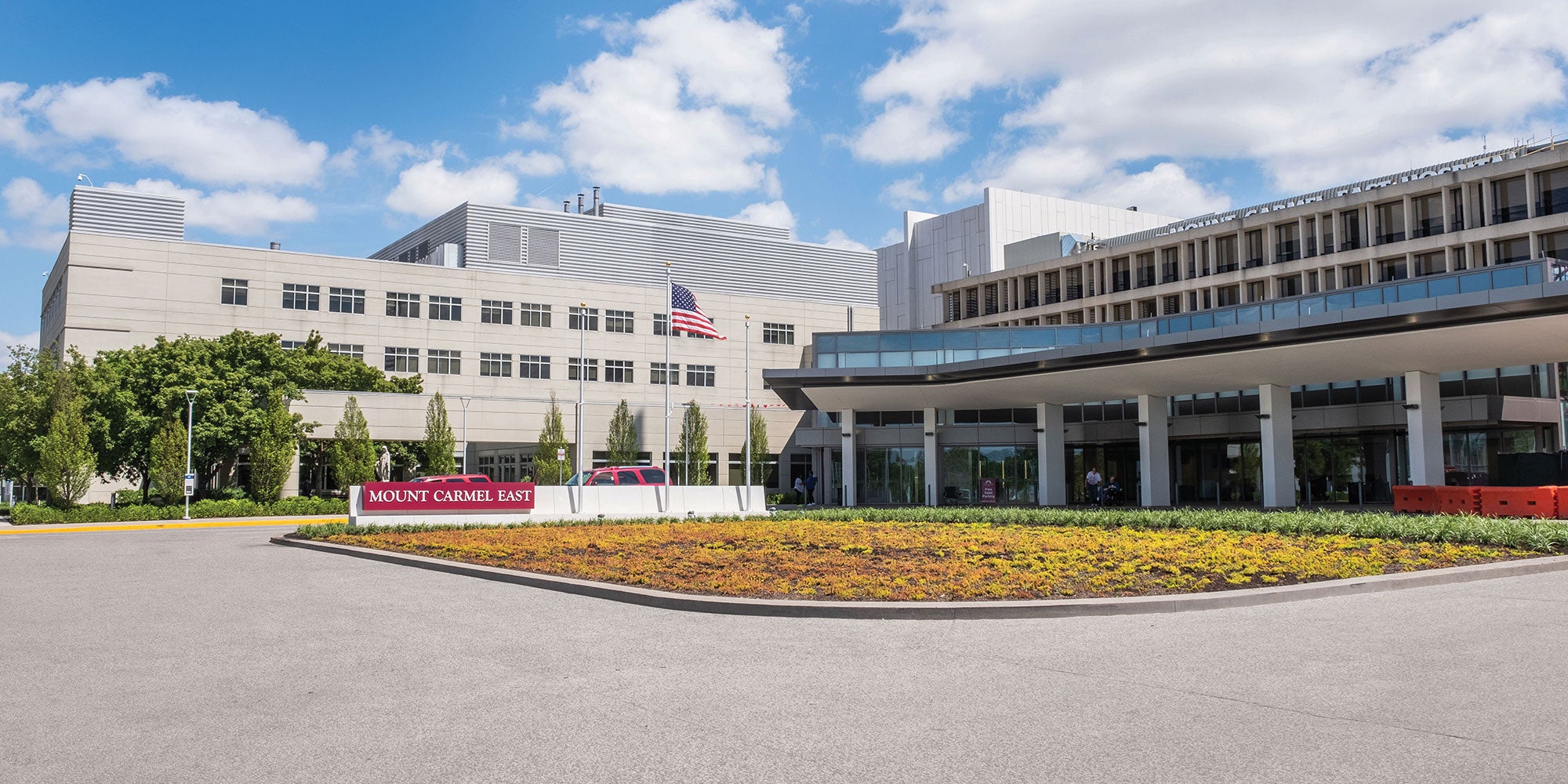
Mount Carmel East Emergency Room
6001 East Broad Street
Columbus, OH 43213
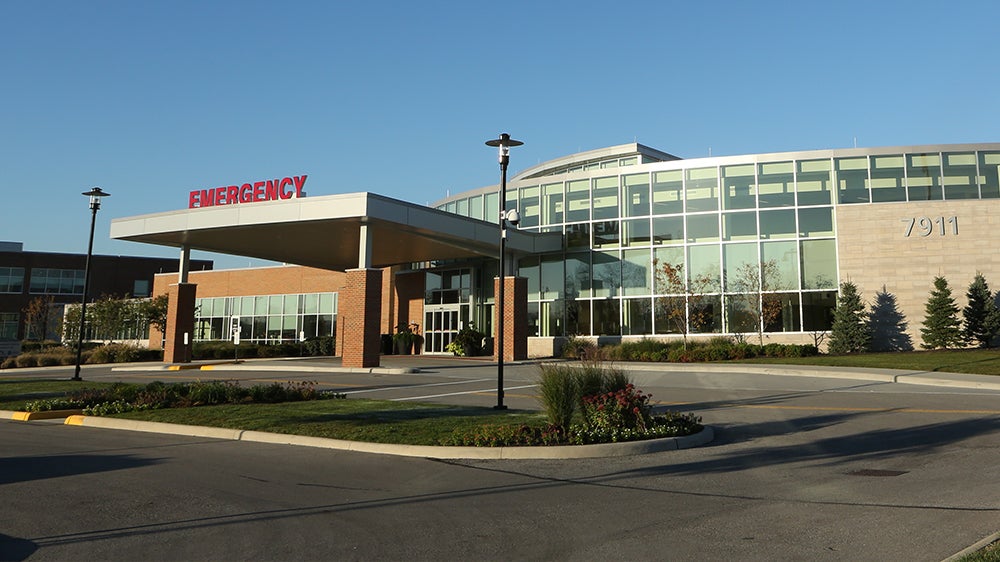
Diley Ridge Medical Center Emergency Room
7911 Diley Road
Canal Winchester, OH 43110
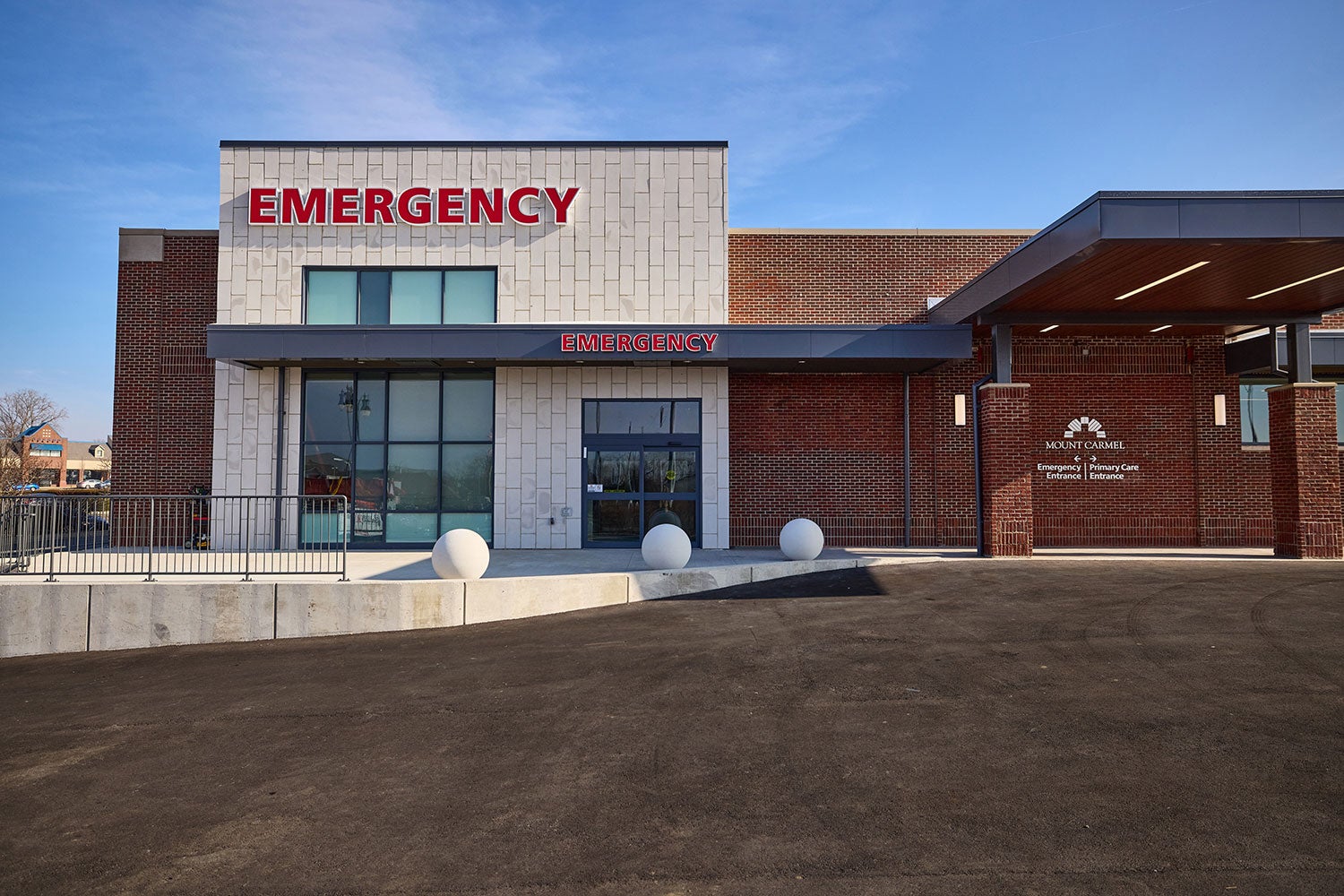
Mount Carmel Reynoldsburg Emergency Room
2300 Baltimore-Reynoldsburg Road Suite 100
Reynoldsburg, OH 43068

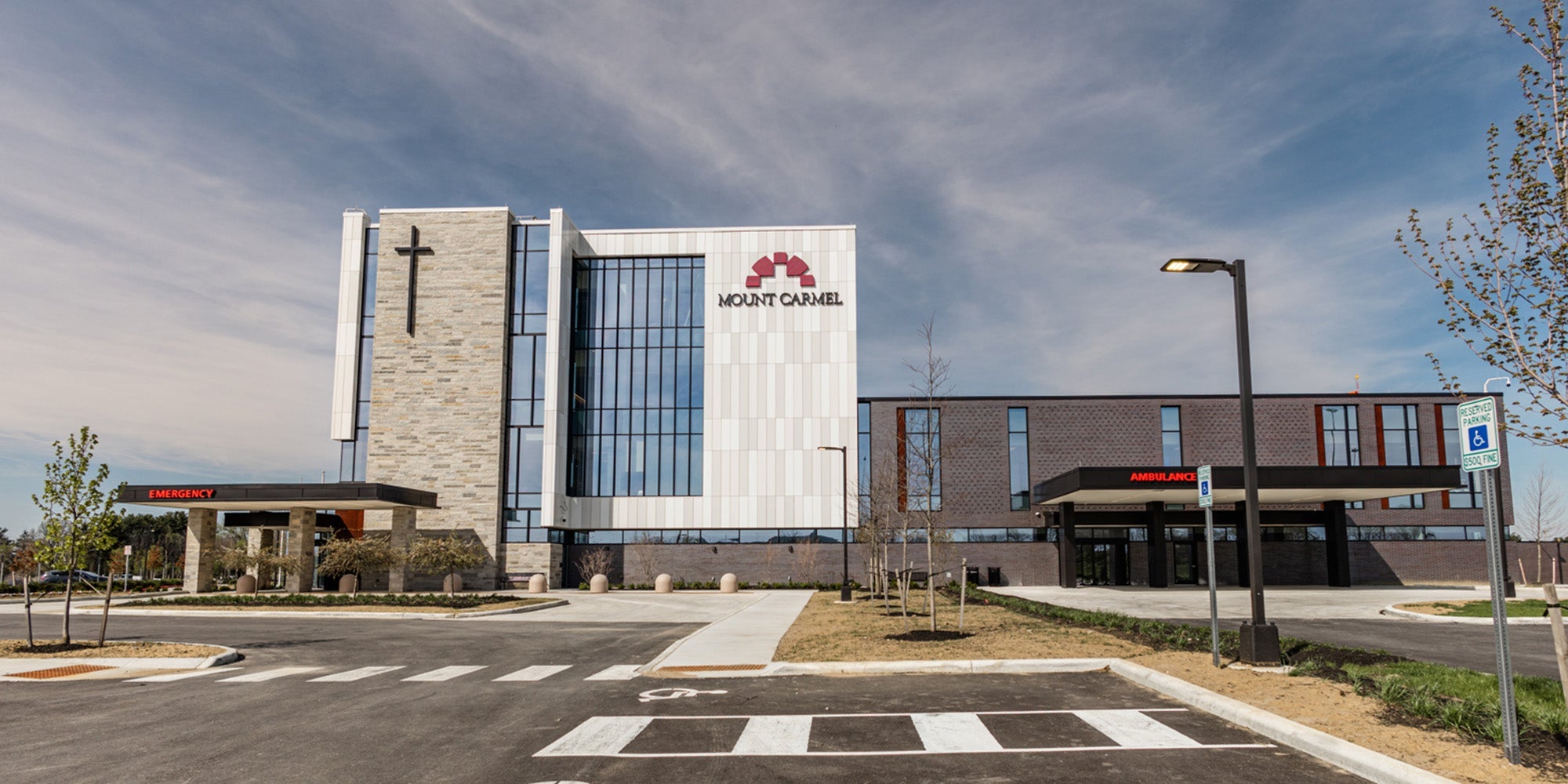
Mount Carmel Dublin Emergency Room
4105 Emerald Parkway
Dublin, OH 43016
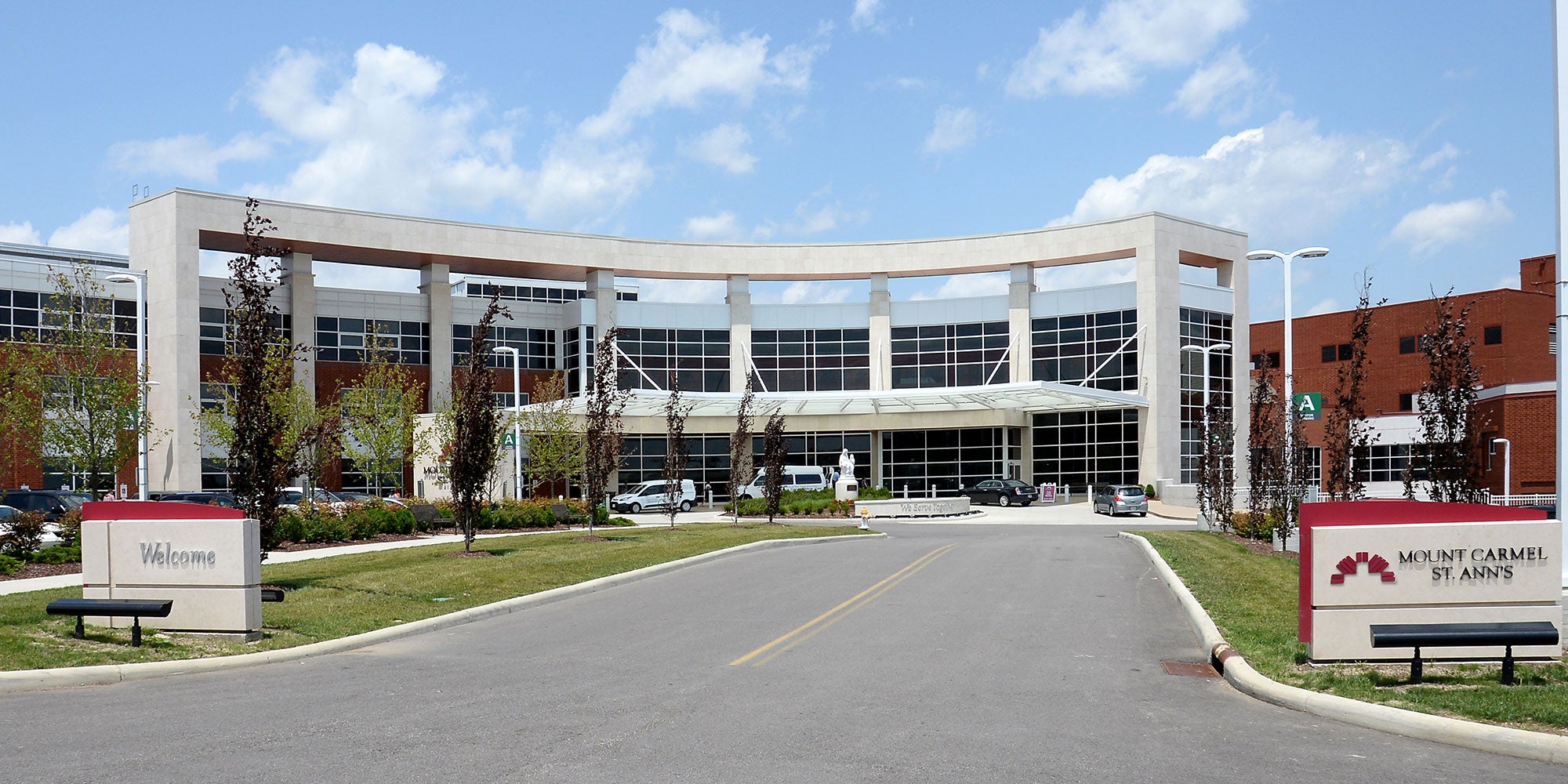
Mount Carmel St. Ann's
500 S Cleveland Ave
Westerville, OH 43081
Mount Carmel St. Ann's Emergency Room
500 South Cleveland Avenue
Westerville, OH 43081

Mount Carmel New Albany Emergency Room
7333 Smith’s Mill Rd.
New Albany, OH 43054
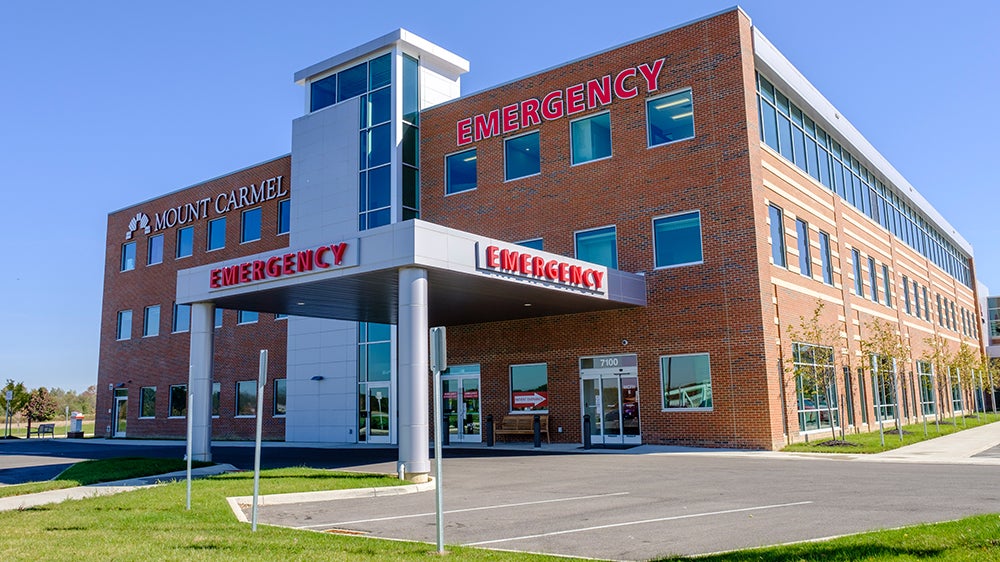
Mount Carmel Lewis Center Emergency Room
7100 Graphics Way
Lewis Center, OH 43035