Breast Surgery

Loading ...

See more ratings.


Expert, compassionate breast surgical care — from diagnostics to reconstruction.

Call 614-627-1420 View our locations
Mount Carmel Breast Surgeon meeting with patient

Breast Surgery at Mount Carmel Health System

Mount Carmel Breast Surgery provides expert, compassionate care for all your breast health needs. Our fellowship-trained breast surgeons diagnose and treat the full range of breast conditions — from common benign concerns to complex or high-risk issues, including breast cancer. We offer personalized support for individuals with a family history of breast disease, genetic predisposition, abnormal biopsy results, or prior radiation exposure.

If you’re facing breast surgery, our team is here to help. We understand that biopsies, imaging follow-ups, and surgical decisions can feel stressful, so we surround you with support, clear communication, and care tailored to your unique situation. As a regional leader in breast procedures, we provide a comprehensive range of surgical options designed to deliver the best possible outcomes.
 

Expert, compassionate care for benign, high‑risk, and cancerous breast conditions.
Whether you’re managing a benign concern, evaluating your risk, or navigating a new cancer diagnosis, our team tailors care to your needs and preferences. For breast cancer patients, we coordinate your full care—including genetic counseling, plastic and reconstructive surgery, medical oncology, radiation oncology, and whole‑person wellness. We provide lifelong follow‑up through treatment, recovery, and survivorship.

Benign Breast Conditions

Our breast surgeons evaluate and treat a wide range of non-cancerous breast concerns, including cysts, fibroadenomas, abscesses and infections, fat necrosis, breast pain, nipple discharge, breast asymmetry, radial scars, atypia, and papillomas. We also treat gynecomastia (male breast enlargement). If large or symptomatic breasts cause neck, back, or shoulder pain, breast reduction surgery may help.

High-Risk and Preventive Care

If you have a strong family history of breast cancer, known genetic mutations such as BRCA, prior chest radiation, or abnormal biopsies, you may benefit from a formal high-risk assessment. Our team develops individualized surveillance plans and provides counseling on lifestyle modifications, enhanced screening schedules, and risk-reducing surgical options including prophylactic mastectomy.

Breast Cancer and Complex Conditions

Mount Carmel Breast Surgery provides comprehensive surgical care for female and male breast cancer at all stages, including ductal carcinoma in situ (DCIS), invasive breast cancers, and recurrent or complex clinical scenarios. Your surgical plan is developed in coordination with our multidisciplinary breast care team.

Abnormal Imaging and Diagnostic Concerns

If you’ve received an abnormal mammogram, ultrasound, or MRI, our breast surgeons can evaluate your results, provide second opinions, and recommend the most appropriate next steps — whether that’s a short-interval follow-up, additional imaging, or a biopsy.

Survivorship and Long-Term Monitoring

We provide ongoing surveillance for breast cancer survivors and high-risk patients, including clinical exams, imaging schedules, and access to wellness resources and supportive services. Our commitment to your care extends well beyond your surgery.

From minimally invasive diagnostics to advanced reconstruction, we offer the full spectrum of breast procedures. Our surgeons use the latest techniques — including oncoplastic approaches and methods designed to minimize scarring — to treat your condition while prioritizing both outcomes and appearance.

Diagnostic Procedures

We offer several minimally invasive needle biopsy options that allow for quicker recovery and little to no scarring. 

  • Fine needle aspiration (FNA) uses a very thin needle to collect a tissue or fluid sample.
  • Core needle biopsy uses a larger needle guided by ultrasound or MRI for more detailed diagnosis.
  • Stereotactic breast biopsy uses mammography or 3D imaging to pinpoint calcifications or subtle findings. When a larger tissue sample is needed or needle biopsy results are inconclusive, we perform surgical biopsy with appropriate anesthesia and sedation for your comfort.

Breast-Conserving Surgery and Lumpectomy

Breast-conserving surgery, also known as lumpectomy, removes cancer while preserving most of the breast. This approach is often paired with radiation therapy, which our team coordinates seamlessly. Our surgeons use oncoplastic techniques to reshape the breast during the procedure, helping maintain symmetry and a natural appearance.

Mastectomy Options

When mastectomy is recommended, our surgeons help you choose the best approach based on your diagnosis, anatomy, and personal goals. 

  • Nipple‑Sparing Mastectomy: Preserves nipple, areola, and skin; often paired with immediate reconstruction.
  • Skin‑Sparing Mastectomy: Removes breast tissue, nipple, and areola but preserves most skin for improved cosmetic outcomes.
  • Simple (Total) Mastectomy: Removes all breast tissue and skin, including nipple/areola; lymph node evaluation may be included.
  • Modified Radical Mastectomy: Removes the entire breast plus axillary lymph nodes when indicated.
  • Prophylactic Mastectomy: Preventive option for high‑risk patients (e.g., BRCA); we review benefits, risks, and reconstruction choices.
     

Lymph Node Surgery

Sentinel lymph node biopsy is a minimally invasive technique to check whether cancer has spread beyond the breast. If cancer is confirmed in the lymph nodes, axillary lymph node dissection may be performed for complete staging and treatment.

Breast Reconstruction

Breast reconstruction rebuilds breast shape after mastectomy and can be performed immediately during the same surgery or delayed months or years later. Options include implant-based reconstruction using silicone gel or saline implants, autologous reconstruction using your own tissue from another area such as a DIEP flap, and hybrid or combined approaches personalized to your goals and anatomy. Our breast surgeons collaborate closely with plastic and reconstructive surgeons to plan the approach that feels right for you.

Breast Reduction Surgery

Our breast reduction program helps relieve chronic pain and improve comfort and confidence when large breasts cause symptoms such as neck, back, and shoulder pain, poor posture, bra strap grooves, or skin irritation. Breast reduction is one of the highest-volume breast procedures nationally, with more than 35,000 people searching for information about it each month.

Additional Surgical Services

Mount Carmel Breast Surgery also offers immediate plastic reconstruction, immediate DIEP flap reconstruction, risk-reducing surgeries for high-risk patients, in-office ultrasound-guided procedures, intraoperative radiation therapy (IORT), and certified techniques designed to minimize scarring.

If you have a new lump, persistent pain, abnormal imaging, or questions about surgical options, our fellowship-trained breast surgeons are here to help. 

Call 614-627-1420.

At Mount Carmel Breast Surgery, we believe in true partnership. From your first appointment through every step of your breast health journey, we’re here to support you with compassion, clarity, and care. You are never alone — we walk beside you, answer your questions, and help guide your decisions with confidence and peace of mind.

Our Breast Surgery Team

At Mount Carmel, we believe excellent outcomes come from personalized, coordinated care. Our breast surgery team collaborates closely with radiologists, plastic and reconstructive surgeons, genetic counselors, nurse navigators, and other specialists to ensure you receive a thoughtful, individualized plan grounded in evidence-based practice.

Whether your needs are routine, preventive, or more complex, every patient benefits from our multidisciplinary approach. Your care team meets regularly to review cases and coordinate treatment, ensuring nothing falls through the cracks.

Understanding Breast Changes

Not every breast change is cause for concern. Watch this brief educational video to learn more about what different breast changes may mean and when to seek evaluation from a specialist.


Before your appointment: 

New patients should arrive 30 minutes early. All patients should bring a list of current medications, insurance card, and photo ID.

Frequently Asked Questions About Breast Surgery

We treat the full range of breast conditions, from common benign concerns like cysts and fibroadenomas to complex breast cancer cases at all stages. We also provide care for patients at higher risk due to family history, genetic mutations like BRCA, abnormal biopsies, or prior chest radiation

Our breast surgeons perform breast-conserving surgery (lumpectomy), several types of mastectomy including nipple-sparing and skin-sparing options, sentinel lymph node biopsy, axillary dissection, and oncoplastic surgery that combines cancer removal with cosmetic reshaping techniques.

A lumpectomy removes only the cancerous area plus a margin of healthy tissue while preserving most of the breast. A mastectomy removes the entire breast. Your surgeon will help you choose the best option based on your diagnosis, anatomy, and personal goals.

Yes. We offer both immediate reconstruction (during the same surgery) and delayed reconstruction. Options include implant-based reconstruction, autologous tissue reconstruction using your own tissue such as a DIEP flap, and hybrid approaches. Our breast surgeons work closely with plastic and reconstructive surgeons to plan the best approach for you.

Contact your care team if you notice increasing redness, swelling, warmth, or drainage at the incision site, a fever over 101°F, or worsening pain that does not improve with prescribed medication. Our nurses are available to answer your questions during recovery.

Many insurance plans cover breast reduction when it is deemed medically necessary — for example, when large breasts cause chronic neck, back, or shoulder pain. Your care team can help you understand your coverage and navigate the approval process.

Recovery varies depending on the procedure. Minimally invasive biopsies may require only a day or two of rest, while mastectomy and reconstruction may require several weeks. Your surgeon will provide specific recovery guidelines including activity restrictions, wound care, and follow-up appointments.

Oncoplastic surgery combines cancer removal with plastic surgery techniques to reshape the breast and minimize visible scarring. This approach is often used during lumpectomy to maintain breast symmetry and natural appearance while ensuring complete cancer removal.

Yes. We provide care for male patients with breast conditions including gynecomastia (male breast enlargement) and male breast cancer. Our team offers the same compassionate, expert surgical care regardless of gender.

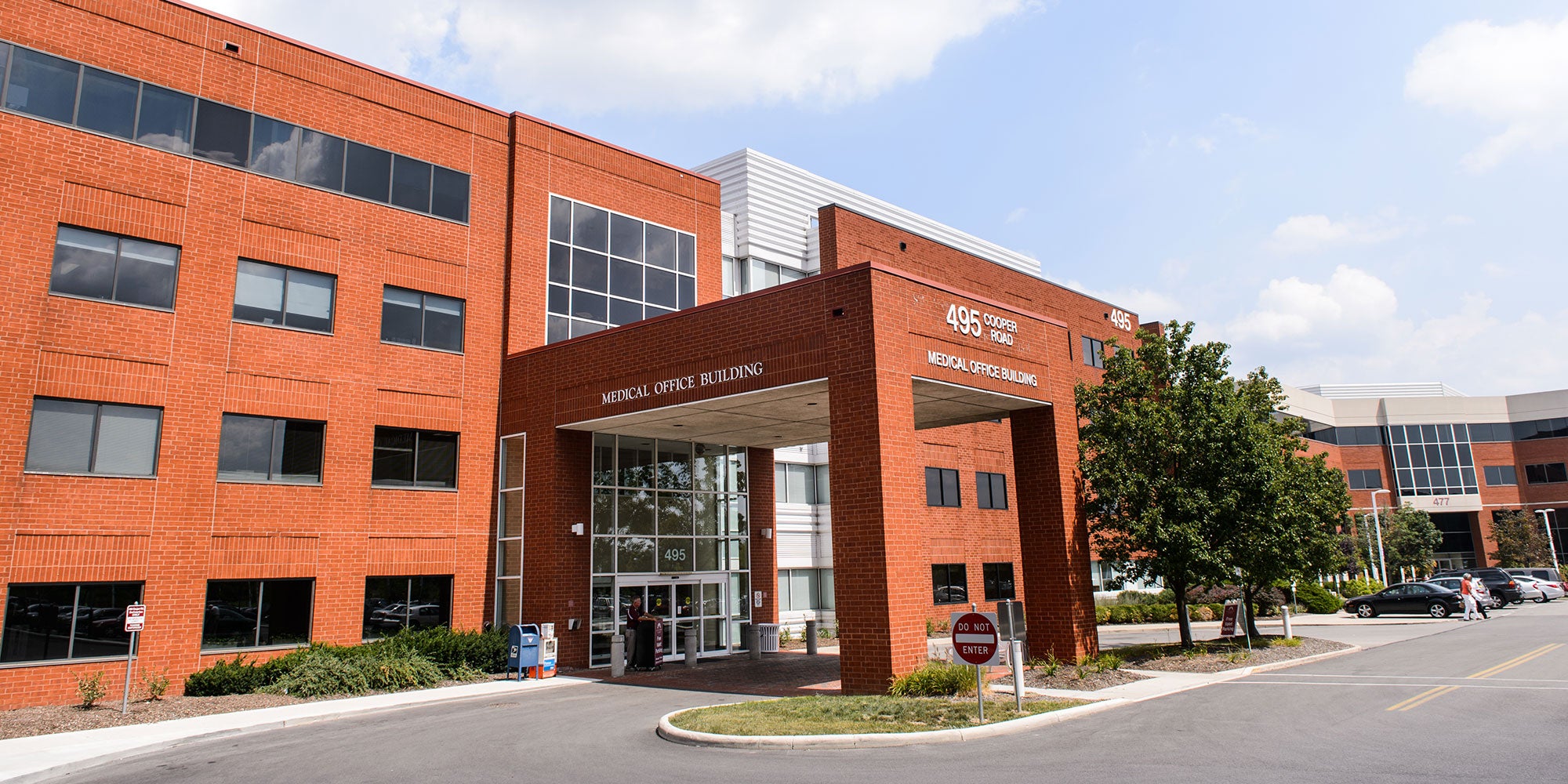
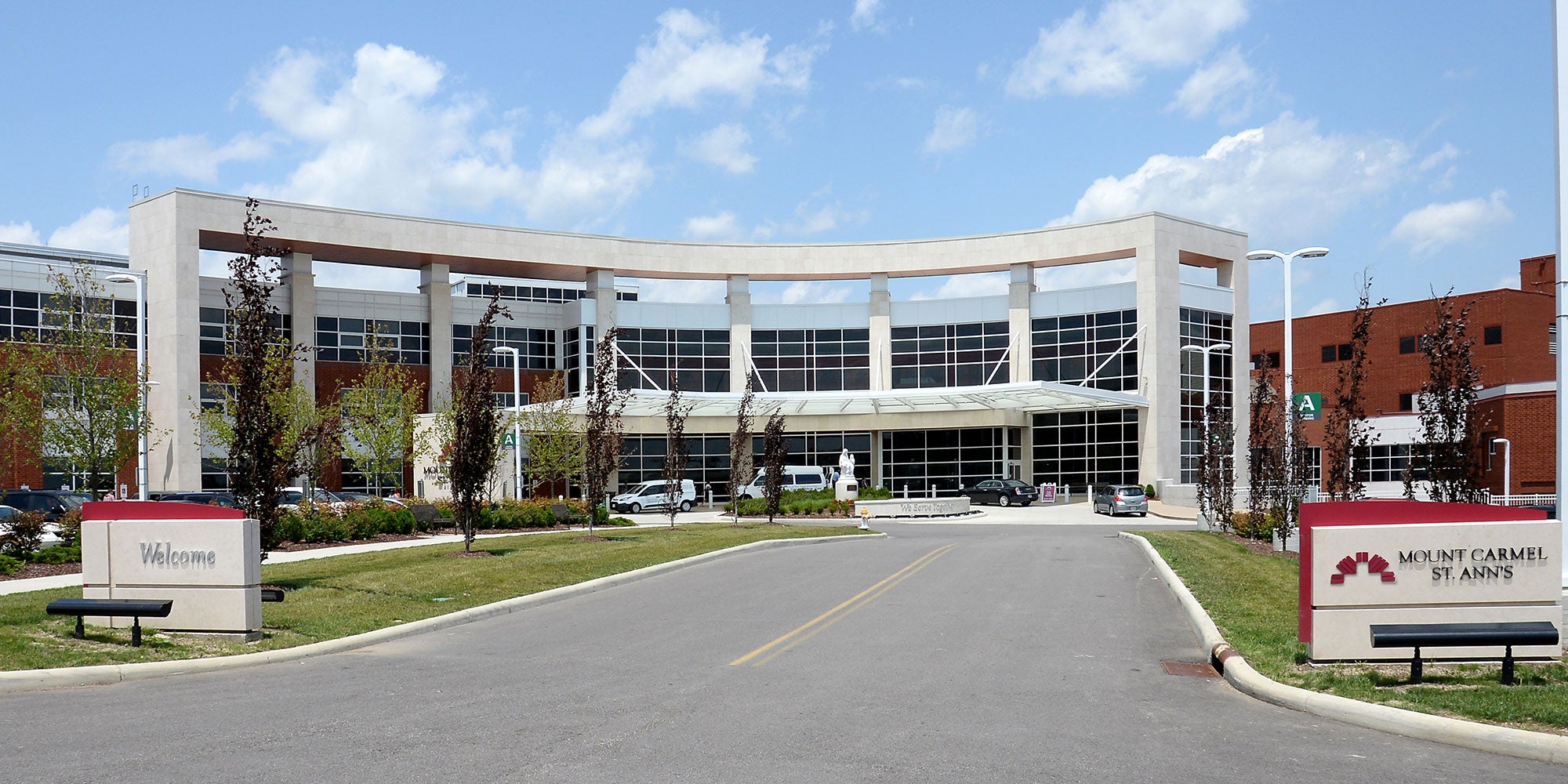
Call us at 614-627-1420 to schedule a consultation. We have locations at Mount Carmel St. Ann’s, Grove City, New Albany, and East. New patients should arrive 30 minutes before their appointment and bring a list of current medications, insurance card, and photo ID.


Provider Ratings

The following ratings and reviews are based on verified feedback collected from independently administered patient experience surveys. The ratings and comments submitted by patients reflect their own views and opinions. Patient identities are withheld to ensure confidentiality and privacy. Learn More >


Loading ...


Loading ...